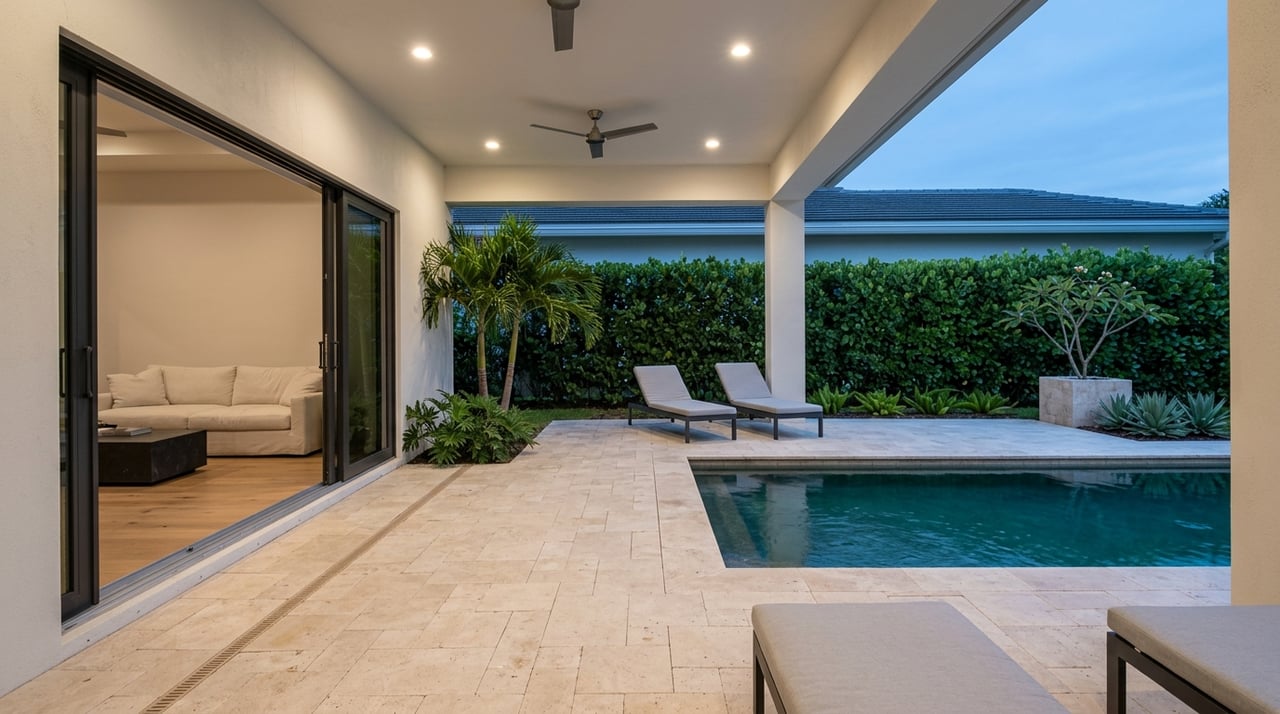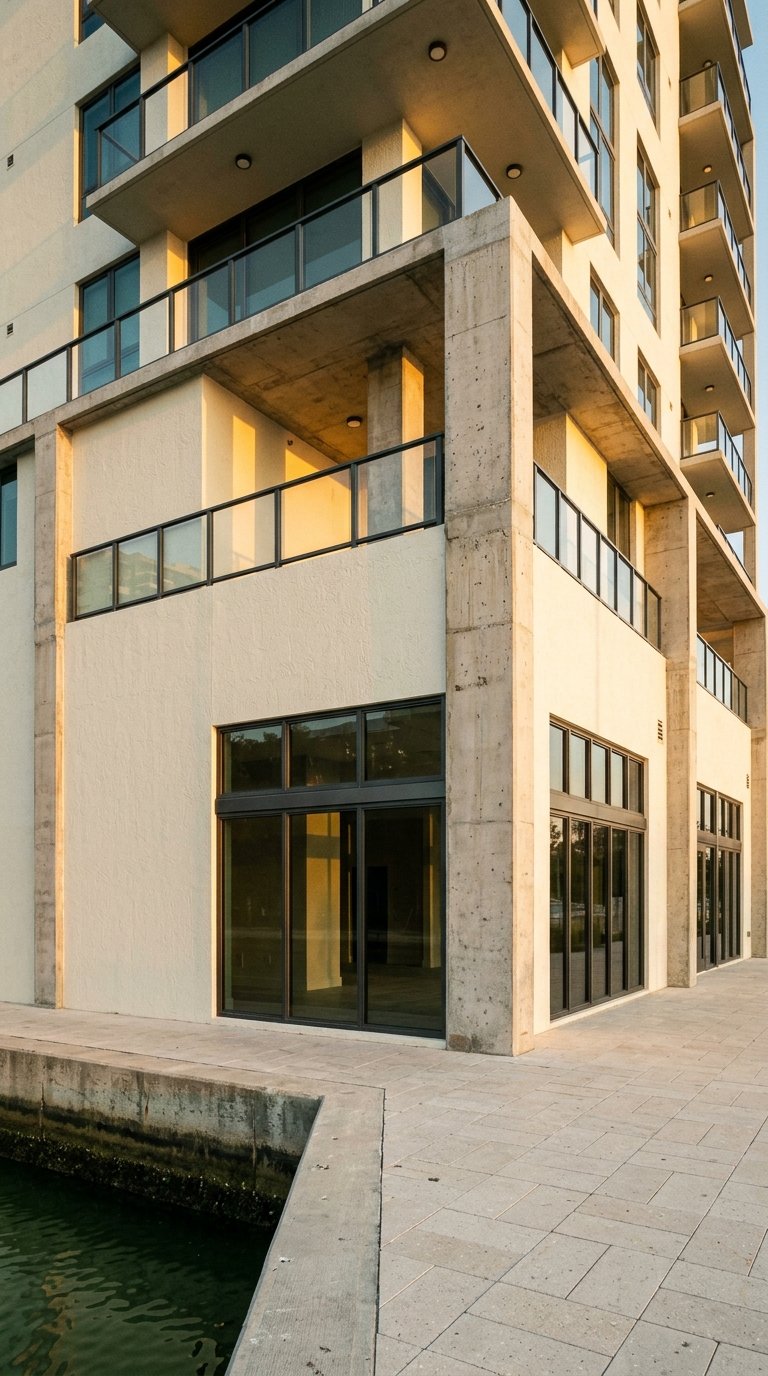
Trying to decide between a waterfront condo and an inland condo in Broward? It is easy to get pulled in by the view, the price, or the monthly fee, but the better choice usually comes down to how you want to live and what kind of risk, cost, and resale path you are comfortable with. If you are comparing options in Fort Lauderdale, Pompano Beach, Deerfield Beach, or elsewhere in Broward County, this guide will help you look past the surface and compare the numbers that really matter. Let’s dive in.
Broward Condo Market Snapshot
Before you compare waterfront and inland condos, it helps to understand the broader Broward condo market. In March 2026, Broward County had 1,064 closed condo sales, a median sale price of $269,700, and 10,675 active listings. Inventory stood at 11.3 months of supply, which points to a buyer's market.
That pace gives you room to be selective. The median time to contract was 70 days, and the median time to sale was 105 days. Condos were still selling at a median of 93% of original list price, so pricing matters, but buyers have negotiating room in many cases.
Waterfront Vs Inland Price Differences
The biggest difference is usually entry price. Waterfront condos in Broward can cost dramatically more than inland options, especially along the oceanfront. That price gap affects not just your purchase budget, but also your carrying costs, insurance, and future buyer pool.
In Fort Lauderdale Beach oceanfront condos, the active median asking price was $2.0 million, with a trailing six-month median sale price of $1.725 million. Those properties had 25.8 months of supply and a median 97 days on market, with pricing around $799 per square foot.
In the broader Northeast Broward oceanfront market, the active median asking price was $877,000 and the trailing six-month median sale price was $660,000. That is about 3.25 times the countywide active comparison point and about 2.45 times Broward's countywide condo median sale price of $269,700.
By contrast, inland pricing can be much more approachable. In Coral Springs, condos had a median sale price of $219,000 in February 2026, and one Coral Springs condominium area showed a median sale price of $186,500. That creates a very different affordability picture for buyers who want to keep their upfront investment lower.
What You Are Paying For
When you buy waterfront, you are typically paying for scarcity, views, and direct or nearby water access. Those features can support strong long-term appeal, but they also push pricing into a more selective part of the market. In practical terms, your competition, your ownership costs, and your resale audience may all look different from an inland condo.
When you buy inland, you are usually buying a lower entry point and access to a broader section of the market. That can matter if affordability, financing flexibility, or easier resale are part of your long-term plan. Neither option is automatically better, but they solve different problems.
Compare Ownership Costs, Not Just Sale Price
Many buyers start with list price and HOA fees, but that is not enough in Broward's condo market. You need to compare the full cost of ownership, especially if you are looking at waterfront buildings. A condo that looks attractive on day one can feel very different once insurance, reserves, and assessments enter the picture.
For waterfront condos, flood exposure should be part of your budget from the start. Broward County says coastal Zone VE includes storm-wave hazards and requires flood insurance. Zones AE, AO, and AH also trigger mandatory flood insurance, while Zone X does not.
That said, Broward also notes that all areas are susceptible to flooding and encourages owners and renters to consider flood insurance even where it is not mandatory. The county's flood maps effective July 31, 2024, along with FEMA's Flood Map Service Center, are the official tools for checking a specific property's flood zone and base flood elevation.
Waterfront Cost Questions To Ask
If you are comparing a waterfront condo, ask for clarity on:
- The property's flood zone
- Whether flood insurance is required
- How insurance costs affect your monthly ownership budget
- Whether the building has had recent storm-related repairs
- Whether reserve funding appears strong enough to handle future work
These questions matter because water exposure is not just a lifestyle feature. It can affect insurance, maintenance planning, and future buyer confidence.
Why Building Health Matters More Than Ever
Florida condo law has made building condition and reserve funding central to the buying process. For residential condominium associations with buildings that are three habitable stories or higher, a structural integrity reserve study must be completed at least every 10 years. Older associations also faced statutory deadlines tied to late 2025 and, in some cases, late 2026.
If a budget was adopted on or after January 1, 2025, structural integrity reserve study reserves cannot be waived. According to Florida law and DBPR guidance, insufficient funding may lead to special assessments or association financing to meet required reserve schedules.
For you as a buyer, this changes how you should compare condos. The view and the monthly fee still matter, but so do the building's milestone inspection history, reserve-study status, and funding levels. A lower monthly fee is not always a bargain if major costs are being deferred.
Condo Documents To Review
Milestone inspection reports and reserve studies are part of a condominium association's official records and must be provided to potential purchasers. That gives you a direct window into the building's condition and planning. It is one of the most important parts of condo due diligence in Florida right now.
As you compare buildings, focus on these items:
- Milestone inspection status
- Structural integrity reserve study status
- Current reserve funding levels
- Any planned or possible special assessments
- Recent budget changes tied to reserve requirements
Financing And Resale Are Part Of The Decision
In Broward, financing compatibility can have a real impact on both your purchase options and your future resale. In March 2026, 54.9% of existing Broward condo closings were cash sales. That tells you this is a market where many transactions, especially in certain buildings or price points, may lean heavily toward cash buyers.
The financing picture gets tighter when building approval comes into play. In a Miami-Dade, Broward, and Palm Beach sample cited by MIAMI REALTORS®, only 21 out of 2,397 condo buildings were FHA-approved, or 0.9% of the total. For buyers using financing, and for future resale planning, that is a major practical issue.
Why This Can Affect Waterfront More
Higher-priced waterfront condos often compete in a narrower buyer pool. Even though demand at the top end is still active, Broward $1M+ condo sales rose 26% year over year in January 2026, these properties typically attract more selective buyers. That means building condition, reserve health, insurance exposure, and financing compatibility can all weigh heavily on resale.
Inland condos often appeal to a broader future audience because they tend to sit at lower price points. That does not mean every inland condo is easy to finance or easy to resell, but it does mean you may have more flexibility if the building is well run and the numbers make sense.
Waterfront Vs Inland: A Simple Comparison
If you are choosing between the two, this side-by-side view can help clarify the tradeoffs.
| Factor | Waterfront Condo | Inland Condo |
|---|---|---|
| Entry price | Typically much higher | Typically lower |
| Lifestyle appeal | Views, water access, scarcity | Practical access, lower cost entry |
| Flood exposure | Often a bigger factor | Still relevant, but often lower profile |
| Insurance impact | Can be more significant | May be simpler to manage |
| Buyer pool at resale | Often narrower | Often broader |
| Due diligence focus | Building health plus flood and insurance | Building health and affordability |
How To Decide What Fits You Best
The right condo depends on your priorities, not just the listing photos. If your main goal is lifestyle, views, and owning something with scarcity value, waterfront may be the better fit. If your main goal is affordability, simpler risk management, and a potentially broader resale audience, inland may be the smarter choice.
A practical way to decide is to rank your top priorities before you tour too many units. Think about whether you care most about monthly budget, insurance predictability, long-term resale flexibility, or the day-to-day living experience. That keeps you from comparing very different properties as if they serve the same goal.
A Smart Broward Condo Checklist
Use this checklist when comparing any condo in Broward:
- What is the asking price relative to recent sales?
- How many months of supply does this segment have?
- What is the flood zone for the specific property?
- Has the building completed its milestone inspection?
- Has the building completed its structural integrity reserve study?
- Are reserves being funded as required?
- Are any special assessments planned or likely?
- Is the building compatible with the type of financing you or a future buyer may need?
- How long are similar units taking to sell?
- Does the condo match your lifestyle and exit strategy?
The Bottom Line On Broward Condos
In Broward County, waterfront and inland condos are not just different by location. They are different in price, pace, risk profile, and resale dynamics. Waterfront can offer a distinctive lifestyle and strong scarcity appeal, but it usually requires more careful analysis of flood exposure, insurance, building condition, and buyer-pool depth.
Inland condos can offer a more accessible entry point and a wider future audience, but building health and financing still matter just as much. The best move is to compare each condo as a full ownership decision, not just a listing. If you want clear guidance on how to weigh the tradeoffs in Broward, Irene Dakota can help you compare options with a practical, market-driven approach.
FAQs
What is the price difference between waterfront and inland condos in Broward County?
- Broward's countywide condo median sale price was $269,700 in March 2026, while the broader Northeast Broward oceanfront trailing six-month median sale price was $660,000 and Fort Lauderdale Beach oceanfront was $1.725 million, showing a large premium for waterfront locations.
What flood zones matter when buying a Broward waterfront condo?
- Broward County says Zone VE, AE, AO, and AH can trigger mandatory flood insurance, while Zone X does not, and the county advises checking the official flood maps for the specific parcel.
What condo documents should buyers review in Broward County?
- Buyers should review milestone inspection reports, structural integrity reserve studies, reserve funding details, and any information on planned or possible special assessments.
Are Broward condos difficult to finance?
- Financing can be a real issue in some buildings because Broward condo sales are cash-heavy, with 54.9% cash closings in March 2026, and a regional sample cited only 0.9% of condo buildings as FHA-approved.
Is an inland Broward condo better for resale than a waterfront condo?
- Not always, but inland condos often appeal to a broader buyer pool because they usually have lower price points, while waterfront condos can attract strong demand in a narrower, more selective segment.
How long are Broward condos taking to sell?
- Countywide in March 2026, the median time to contract was 70 days and the median time to sale was 105 days, while some oceanfront and inland submarkets showed longer marketing times depending on price point and location.