If you are looking at an investment deal in Palm Beach County, the biggest mistake is falling in love with the story before you pressure-test the numbers. Sophisticated investors know that a polished offering memo is only the starting point, especially in a market where asset class, submarket, flood exposure, and exit strategy can change value fast. Before you write an offer, you need to know which questions actually protect your downside and sharpen your pricing. Let’s dive in.
Start With Income Quality
The first question serious investors ask is simple: Is the current or projected income truly supportable? That means looking beyond pro forma rent and checking whether in-place leases, tenant quality, rollover timing, and renewal assumptions make sense for the specific asset.
In Palm Beach County, that matters because headline rent numbers vary by asset class and by data source. Early 2026 broker reports showed office asking rents ranging from about $48.64 per square foot full-service to $54.20 per square foot, retail asking rent at $38.54 per square foot, and industrial asking rent around $13.39 to $13.87 per square foot. Those differences are a reminder not to mix comp sets casually.
If you are underwriting a property, ask whether the rent assumptions match the building’s size, class, condition, and submarket. A newer showroom warehouse in one corridor should not be priced off assumptions pulled from a different product type or location. Clean underwriting starts with clean comparisons.
Ask Whether the Demand Is Real
A smart buyer also asks whether the tenant demand behind the pricing is actually active today. This is especially important for industrial assets, where recent deliveries have not been absorbed evenly across formats.
CBRE reported that nearly 4.8 million square feet of industrial space had delivered since 2022, with more than 1.2 million square feet still available in large-format bulk product. That matters because not every industrial building fits the county’s core demand profile. If a property depends on an overly optimistic lease-up story, your offer should reflect that risk.
Separate Asset Class From Market Hype
One of the most disciplined questions you can ask is: What cycle is this asset class actually in right now? Palm Beach County does not move as one uniform market.
In early 2026, office and industrial were not at the same point in the cycle. Newmark reported office vacancy at 14.3% in Q1 2026, while industrial vacancy was reported at 8.4%, and CBRE reported industrial vacancy at 7.7%. Retail asking rent reached a record $38.54 per square foot, while multifamily deliveries had cooled after a heavy supply wave in 2023 and 2024.
That means your offer strategy should change depending on what you are buying. A selective office deal, a small-bay industrial asset, and a retail property with strong tenant visibility do not deserve the same assumptions on rent growth, downtime, or exit pricing.
Ask Who Buys This Later
Sophisticated investors often underwrite the exit before they underwrite the purchase. In plain English, you want to know who your future buyer is likely to be and whether that buyer pool will still be active when you sell.
That question matters in Palm Beach County because liquidity can look very different across bulk industrial, small-bay industrial, office, retail, and multifamily. If your future buyer pool is narrow, your margin for underwriting error gets smaller. A deal can look attractive on entry and still disappoint if the resale audience is limited.
Pressure-Test Carry and Capital Costs
A common trap in South Florida investing is focusing too much on NOI and not enough on what happens right after closing. Experienced buyers ask what deferred maintenance, roof work, HVAC replacements, paving, tenant improvements, flood hardening, and insurance changes could do to true returns.
That question is especially important in Palm Beach County because carrying costs can shift quickly once you take control of the property. Even when a property looks stable on paper, post-closing expenses can materially change your yield and your hold strategy.
Ask What You Need To Spend Early
Before making an offer, identify the likely first-wave capital items. You are not just buying the rent roll. You are buying the condition, the systems, the site work, and the compliance burden that comes with the asset.
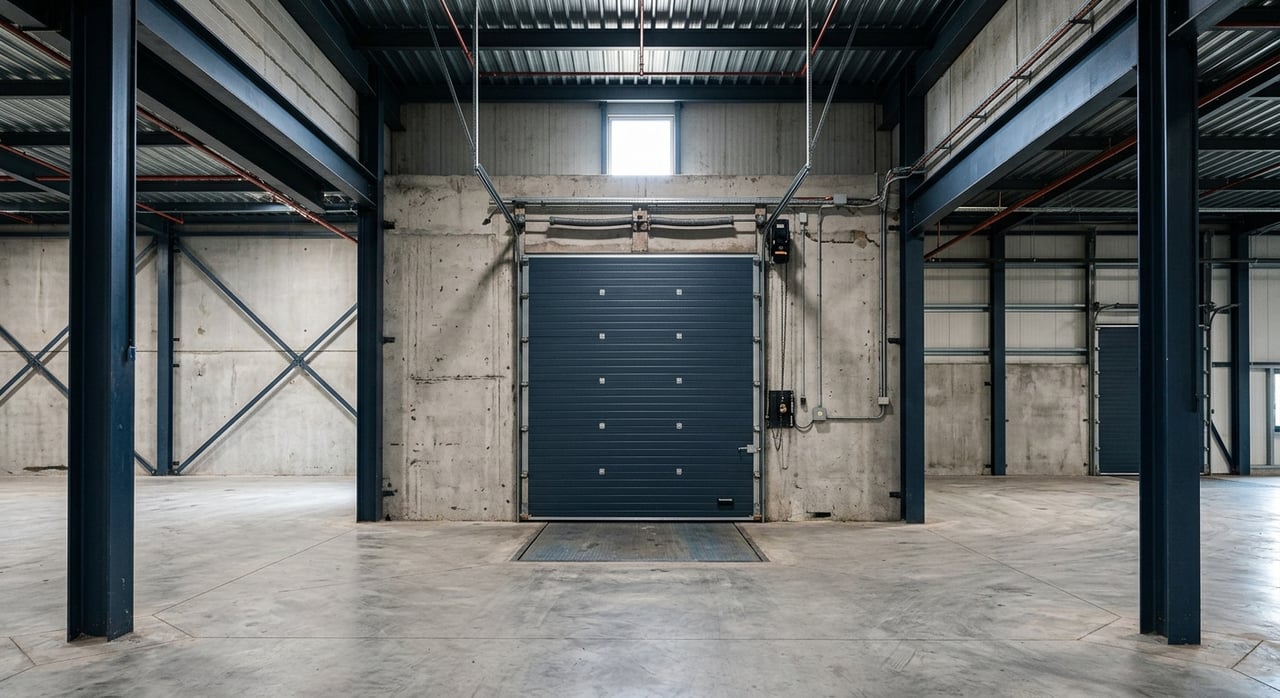
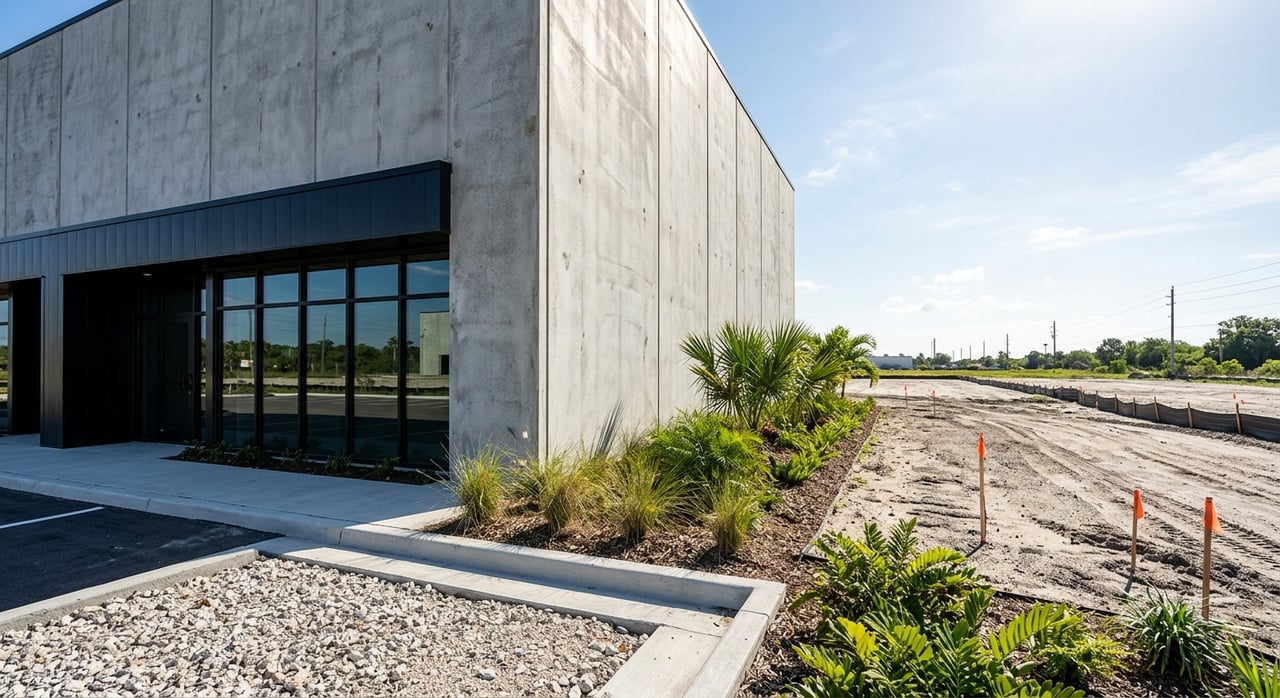
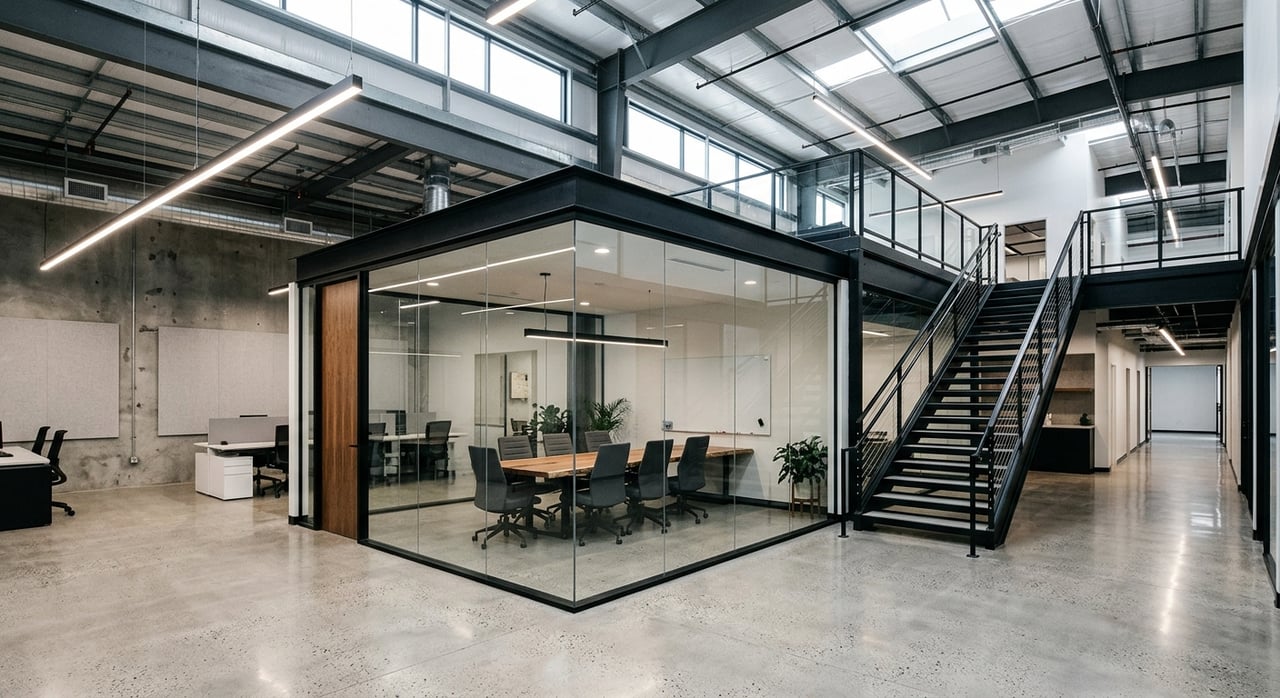
For a warehouse or flex property, that may mean looking closely at roof age, parking and truck circulation, loading functionality, and HVAC needs for office buildout areas. For other commercial assets, the same logic applies: the useful life of core systems matters because it affects both cash flow and leasing flexibility.
Include Florida Transaction Taxes
Palm Beach investors should also ask whether the closing-cost model includes Florida-specific taxes. The Florida Department of Revenue says documentary stamp tax applies to deeds transferring Florida real property, and nonrecurring intangible tax applies to obligations secured by a mortgage or lien on Florida real property.
For taxable deeds outside Miami-Dade, documentary stamp tax is 70 cents per $100 of consideration. That cost belongs in your acquisition math from the start. It should not be treated as an afterthought once terms are already negotiated.
Underwrite Flood Exposure Early
In Palm Beach County, flood diligence is not optional. A sophisticated buyer asks early whether flood-zone status, permitting rules, and flood-related improvements could affect both pricing and future operations.
County guidance says everyone lives in some flood-risk area, and Palm Beach County and its municipalities regulate development in floodplains under the National Flood Insurance Program. The county also advises buyers to obtain an official flood-zone determination before purchase or construction. That is one of the clearest examples of a diligence item that can alter value before you ever reach closing.
Ask Which Jurisdiction Controls the Property
This is where local detail matters. Unincorporated county land is governed by county flood ordinances, while properties inside municipalities may be subject to different local building departments and rules.
So the smart question is not just whether the property has flood exposure. It is also which jurisdiction controls the permitting and compliance process. Two similar assets on opposite sides of a city boundary can carry different timing, approval, and cost implications.
Check The Local Economic Case
A sophisticated offer is not based only on the building. It is based on whether the surrounding economy supports occupancy, rent resilience, and future buyer demand.
Palm Beach County had an estimated 1,556,161 residents in 2025 and had grown 4.3% from the 2020 Census base. The county’s 2024 average annual employment was 666,900 across 71,344 establishments, with an average annual wage of $77,246 and a 2025 unemployment rate of 3.9%.
Those numbers matter because they point to a broad employment base and relatively strong wage profile. Professional and business services, education and health services, trade, transportation and utilities, and financial activities all represent large shares of county employment. For investors, that supports a more nuanced view of demand across office, flex, logistics, and service-oriented retail.
Ask How Supply Constraints Affect Value
Palm Beach County also has a land constraint that many investors take seriously. State data shows roughly 60.3% of county land is conservation land.
That does not make every property a good buy, but it does make entitlement, zoning, and redevelopment assumptions more important. In a county with limited replacement supply, location and functional utility can carry more weight over time. That is why disciplined investors spend real time on what can be built, repositioned, or expanded, not just what exists today.
Follow The Demand Drivers That Matter
Not every growth story is worth paying for. The better question is whether the local drivers actually support the use type you are underwriting.
For industrial and logistics-oriented properties, the Port of Palm Beach remains a major factor. Official port materials say it handles more than 280,000 TEUs annually, cargo tonnage reached 2.8 million tons in 2024, and more than 3,500 jobs are directly tied to the port, with another 6,000 jobs associated with importers and exporters using it.
The port’s cargo mix also matters. It handles dry cargo, refrigerated cargo, bulk cargo, breakbulk, heavy-lift project cargo, roll-on/roll-off cargo, and yacht shipments. Its rail and intermodal capabilities support nearby industrial and distribution uses, and planned infrastructure improvements aim to increase annual freight rail capacity from 44,000 to nearly 100,000 TEUs while reducing 29,000 truck trips each year.
Ask What Is Current Versus Future
Palm Beach International Airport is another key driver, but disciplined investors separate existing demand from future improvements. PBI reports more than 200 daily nonstop arrivals and departures on 12 airlines and served 8,021,505 passengers over the 12 months ending May 2024.
The airport’s Concourse B expansion is underway, which is useful context, but a smart investor does not pay today for demand that has not fully materialized yet. That is a practical mindset in every underwriting model: distinguish current fundamentals from future upside.
Build Your Offer Around Tradeoffs
The best offers in Palm Beach County are not just aggressive or conservative. They are well-structured. Sophisticated investors ask enough questions up front to know where they can stretch and where they need protection.
That may mean adjusting price for lease-up risk, shortening due diligence on a clean asset, or taking more time when flood, permitting, or CapEx questions remain open. It may also mean walking away when the story depends too heavily on broad market optimism instead of property-level facts.
In a market like Palm Beach, strong investing is rarely about chasing noise. It is about reading the asset clearly, underwriting the location honestly, and entering the deal with a strategy that still works if the easy assumptions do not.
If you are evaluating an investment opportunity in Palm Beach County and want a clear, practical view of the tradeoffs, Irene Dakota can help you think through pricing, positioning, and deal strategy with a hands-on South Florida perspective.
FAQs
What income questions should investors ask before offering on Palm Beach property?
- You should ask whether in-place income is supported by actual leases, whether projected rent growth is realistic, and whether the comp set matches the asset’s class, size, condition, and submarket.
Why do Palm Beach investors separate asset classes when underwriting?
- Office, industrial, retail, and multifamily were at different points in the cycle in early 2026, so vacancy, rent growth, lease-up timing, and exit assumptions should be tailored to the specific asset type.
What flood questions matter before buying in Palm Beach County?
- You should confirm the property’s flood-zone status, review whether floodplain permitting may apply, and determine whether the property falls under county or municipal rules, since compliance costs and timing can differ.
What local costs should investors include before making an offer in Florida?
- Your model should include deferred maintenance, likely capital improvements, insurance-related changes, and Florida transaction taxes such as documentary stamp tax and, when applicable, nonrecurring intangible tax.
Why do port and airport activity matter to Palm Beach investment analysis?
- The Port of Palm Beach and Palm Beach International Airport support jobs, logistics activity, and business demand, which can influence tenant demand and long-term value for certain commercial property types.